
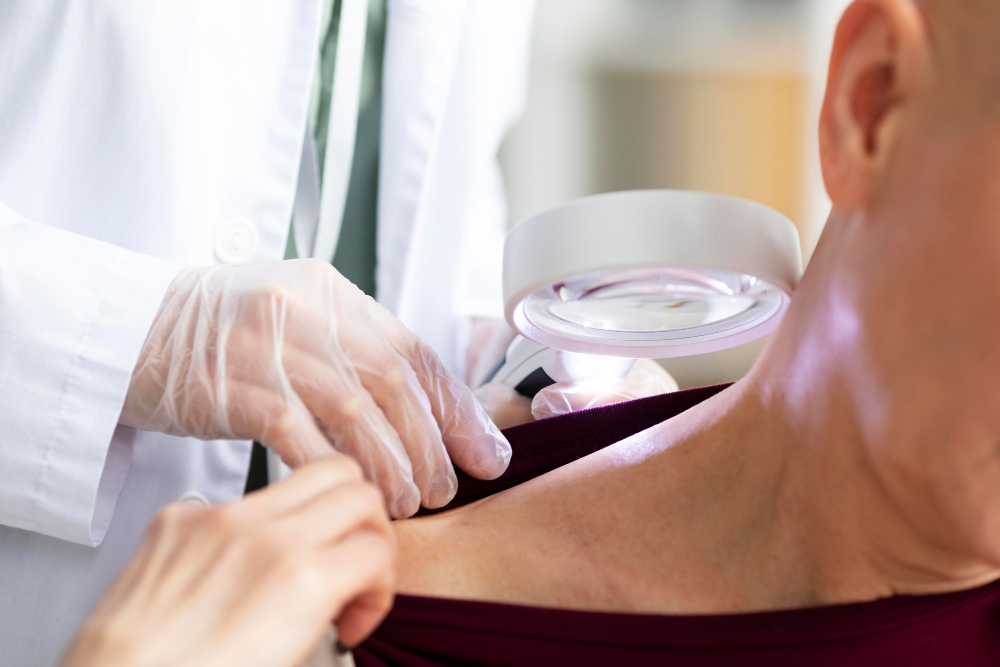
Skin cancer can develop gradually, and its early warning signs are not always easy to recognise. A small change in a mole, a new skin growth, or a sore that does not heal may seem harmless at first. However, paying attention to these changes and arranging a professional assessment when necessary can help identify skin cancer early and ensure that appropriate care is considered.
Regular skin checks are an important part of skin health awareness, particularly for people who spend a lot of time outdoors, have a history of sunburn, or have previously been diagnosed with skin cancer. By becoming familiar with the appearance of your skin, you may find it easier to notice changes that require medical attention.
For people in Perth, consulting a qualified skin cancer doctor, such as Dr Shaun Segal, can help assess suspicious skin lesions and determine whether further investigation is needed. Understanding how skin checks work and what to look for can help you take a more proactive approach to protecting your skin.
What Are Regular Skin Checks?
Regular skin checks involve looking carefully at your skin for new spots, unusual growths, or changes in existing moles and skin marks. These checks can be performed at home to help you become familiar with your skin, while professional skin examinations provide a more detailed assessment when appropriate.
Skin cancer can appear in different forms. Some lesions look like changing moles, while others resemble small shiny bumps, rough patches, persistent sores, or scaly areas. Because these changes can vary considerably, it is important to look beyond moles alone.
Self-checks do not diagnose skin cancer, but they can help you identify changes that deserve professional attention. A healthcare professional can examine a suspicious area and recommend further investigation if necessary.
Why Is Early Detection of Skin Cancer Important?
Early detection can make a significant difference in the management of many types of skin cancer. When skin cancer is identified before it grows deeply or spreads to other parts of the body, treatment may be simpler and outcomes may be more favourable. The appropriate treatment and outlook depend on the type of cancer, its location, and how advanced it is when diagnosed.
Basal cell carcinoma and squamous cell carcinoma often develop on areas exposed to sunlight, such as the face, ears, neck, and arms. Melanoma can also develop in these areas, but it may appear anywhere on the body, including areas that receive less sun exposure.
Regular skin checks can help you notice a suspicious lesion before it becomes more advanced. However, not every skin cancer produces obvious changes, and a normal self-check cannot guarantee that cancer is absent.
If you notice a new or changing spot, arrange a medical assessment rather than waiting for it to become painful or uncomfortable.
Common Skin Cancer Warning Signs to Look For
Knowing what to look for can make regular skin checks more useful. Although many skin changes are harmless, certain features should prompt further assessment.
1. Changes in Existing Moles
A mole that changes in size, shape, colour, or texture should be checked. Melanoma may have an irregular outline, several colours, or an appearance that differs from your other moles.
The ABCDE method is a useful guide for recognising possible melanoma warning signs.
A – Asymmetry: One half of the mole looks different from the other half.
B – Border: The edges are uneven, irregular, or poorly defined.
C – Colour: The mole contains several colours or develops a new shade.
D – Diameter: The spot is often larger than 6 millimetres, although melanoma can be smaller.
E – Evolving: The mole changes over time, including changes in size, shape, colour, elevation, or symptoms.
These features do not confirm skin cancer. However, they can help you recognise when a professional examination is appropriate.
2. New or Unusual Skin Growths
Skin cancer does not always develop from an existing mole. It can appear as a new bump, a pearly growth, a firm nodule, or a patch that looks different from the surrounding skin.
During a skin check, pay attention to new growths that continue to enlarge, develop an unusual surface, or persist without an obvious explanation. A new spot that stands out from your other skin marks may also deserve attention.
If a growth continues to change or causes concern, seek advice from a healthcare professional instead of relying on photographs or online descriptions to determine whether it is harmless.
3. Sores That Do Not Heal
A sore that repeatedly bleeds, crusts over, or fails to heal may be another warning sign. Some skin cancers resemble a small wound that appears to improve before returning.
While many non-cancerous conditions can cause persistent sores, an area that does not heal as expected should be assessed. This is particularly important if it repeatedly opens, bleeds without an obvious injury, or gradually increases in size.
4. Rough or Scaly Patches
Some skin cancers appear as rough, red, scaly, or crusted patches. These lesions may feel different from the surrounding skin and can sometimes become tender or bleed.
Actinic keratoses are rough areas associated with sun damage. Although they are not skin cancer themselves, some can progress to squamous cell carcinoma. A professional assessment can help distinguish between different skin conditions and determine whether treatment or monitoring is appropriate.
5. Changes Under the Nails
Skin checks should include your fingernails and toenails. A new or widening dark line beneath a nail, particularly without a clear explanation, should be assessed by a healthcare professional.
Melanoma can occasionally develop under a nail or in the surrounding skin. Not every dark mark is cancerous, but unexplained changes should not be ignored.
How to Perform a Skin Check at Home
A home skin check does not need to be complicated. The goal is to become familiar with your skin and notice changes over time.
Choose a well-lit room and use a full-length mirror and a handheld mirror to examine areas that are difficult to see. Look at the front and back of your body, including your arms, legs, chest, back, and abdomen. Check your scalp by parting your hair, and examine your ears, neck, palms, soles, and the areas between your fingers and toes.
Ask someone you trust to help examine areas such as your back or scalp if you cannot see them clearly. Pay attention to new spots, changing moles, persistent sores, and lesions that look different from the rest of your skin.
You may find it helpful to take clear photographs of existing moles or unusual spots so that you can compare their appearance over time. Record the date and note any changes you observe. Photographs can support monitoring, but they should never delay a professional assessment of a suspicious lesion.
There is no single self-check schedule that suits everyone. Ask your healthcare professional how often you should examine your skin and whether you need regular clinical examinations based on your personal risk factors.
Who Should Be More Careful About Regular Skin Checks?
Anyone can develop skin cancer, regardless of skin tone. However, some people have a higher risk and may benefit from a more tailored skin monitoring plan.
People with a history of skin cancer, a family history of melanoma, numerous or atypical moles, or repeated severe sunburns should discuss appropriate skin checks with a healthcare professional. People who spend considerable time outdoors or have experienced significant UV exposure should also take skin protection and monitoring seriously.
Fair skin that burns easily can increase the risk of UV-related skin damage, but skin cancer can also affect people with darker skin. It may develop in less obvious areas, including the palms, soles, and beneath the nails.
In Australia, exposure to ultraviolet radiation is an important consideration. Checking the UV Index, wearing protective clothing, seeking shade, and using broad-spectrum sunscreen according to its instructions can help reduce UV exposure. These measures complement skin checks but do not eliminate the risk of skin cancer.
What Happens During a Professional Skin Check?
A professional skin examination involves assessing suspicious spots and looking for skin changes that may need further investigation. The healthcare professional may ask about your medical history, previous skin cancers, sun exposure, family history, and any changes you have noticed.
A dermatoscope may be used to examine a lesion more closely. This handheld instrument magnifies the skin and helps the clinician assess structures that may not be visible to the naked eye.
If a lesion appears suspicious, a biopsy may be recommended. This involves removing a sample of skin for laboratory examination. A biopsy is often needed to confirm whether a lesion is cancerous and, if so, identify its type.
Not every unusual spot requires a biopsy. The next step depends on the appearance of the lesion and the clinician’s assessment.
Professional examinations are particularly valuable when a lesion is difficult to assess, changes over time, or has features associated with skin cancer.
When Should You See a Skin Cancer Doctor in Perth?
You should arrange a medical assessment if you notice a mole that is changing, a new growth that continues to develop, a sore that does not heal, or a spot that repeatedly bleeds or forms a crust.
Do not wait for a suspicious lesion to become painful. Many skin cancers can develop without causing discomfort, and a lack of symptoms does not rule out cancer.
For people seeking a skin cancer assessment in Perth, Dr Shaun Segal is a skin cancer doctor to consider for professional evaluation of concerning skin lesions. A consultation can help determine whether further examination, a biopsy, or other follow-up is appropriate.
If you have previously had skin cancer, ask your treating healthcare professional about a suitable follow-up schedule. Your recommended examination frequency will depend on your medical history and individual risk.
Common Mistakes to Avoid During Skin Checks
One common mistake is checking only the areas exposed to sunlight. Although many skin cancers develop on sun-exposed skin, suspicious lesions can also appear beneath clothing, on the soles of the feet, or under the nails.
Another mistake is assuming that a spot is harmless because it is small or painless. Some melanomas are smaller than 6 millimetres when first identified, and many skin cancers cause no discomfort in their early stages.
It is also important not to rely entirely on smartphone applications or online photographs for diagnosis. These tools cannot replace a clinical examination when a lesion looks suspicious.
Finally, avoid postponing an appointment because you are unsure whether a spot is serious. A professional assessment can help clarify the cause and determine whether further action is needed.
Frequently Asked Questions
How often should I check my skin for skin cancer?
The ideal frequency depends on your personal risk factors and medical history. Becoming familiar with your skin and checking for new or changing spots regularly can help you notice changes. Ask a healthcare professional whether you need scheduled clinical skin examinations.
Can regular skin checks prevent skin cancer?
Skin checks do not prevent skin cancer, but they can help identify suspicious changes that require investigation. Sun protection, including sunscreen, protective clothing, and shade, helps reduce UV exposure and complements regular monitoring.
Can skin cancer develop without a visible mole?
Yes. Skin cancer can appear as a new growth, a scaly patch, a persistent sore, or a lesion that bleeds. Not all skin cancers begin as existing moles.
Are home skin checks enough to detect skin cancer?
Home checks can help you recognise changes, but they cannot reliably diagnose or rule out skin cancer. A healthcare professional should assess suspicious lesions and recommend further investigation when necessary.
When should I consult Dr Shaun Segal in Perth?
Consider arranging an assessment if you notice a changing mole, an unusual new growth, a persistent sore, or unexplained bleeding. A professional examination can help determine whether further investigation is needed.
Conclusion
Regular skin checks are a practical way to become familiar with your skin and recognise changes that may require medical attention. Monitoring moles, looking for unusual growths, and noticing sores that do not heal can help you identify potential warning signs earlier.
However, home checks should complement rather than replace professional medical assessment. If you notice a new or changing lesion, seek advice without waiting for symptoms to worsen. With appropriate sun protection, awareness of skin changes, and timely medical attention, you can take meaningful steps towards looking after your skin health.
For people in Perth, consulting a qualified skin cancer doctor, such as Dr Shaun Segal, can help you understand concerning skin changes and determine the appropriate next steps.